

Regulatory Compliance and Governance: Navigating complex and evolving regulatory environments, ensuring compliance with data protection laws, and meeting industry-specific regulations remained challenging for many businesses.
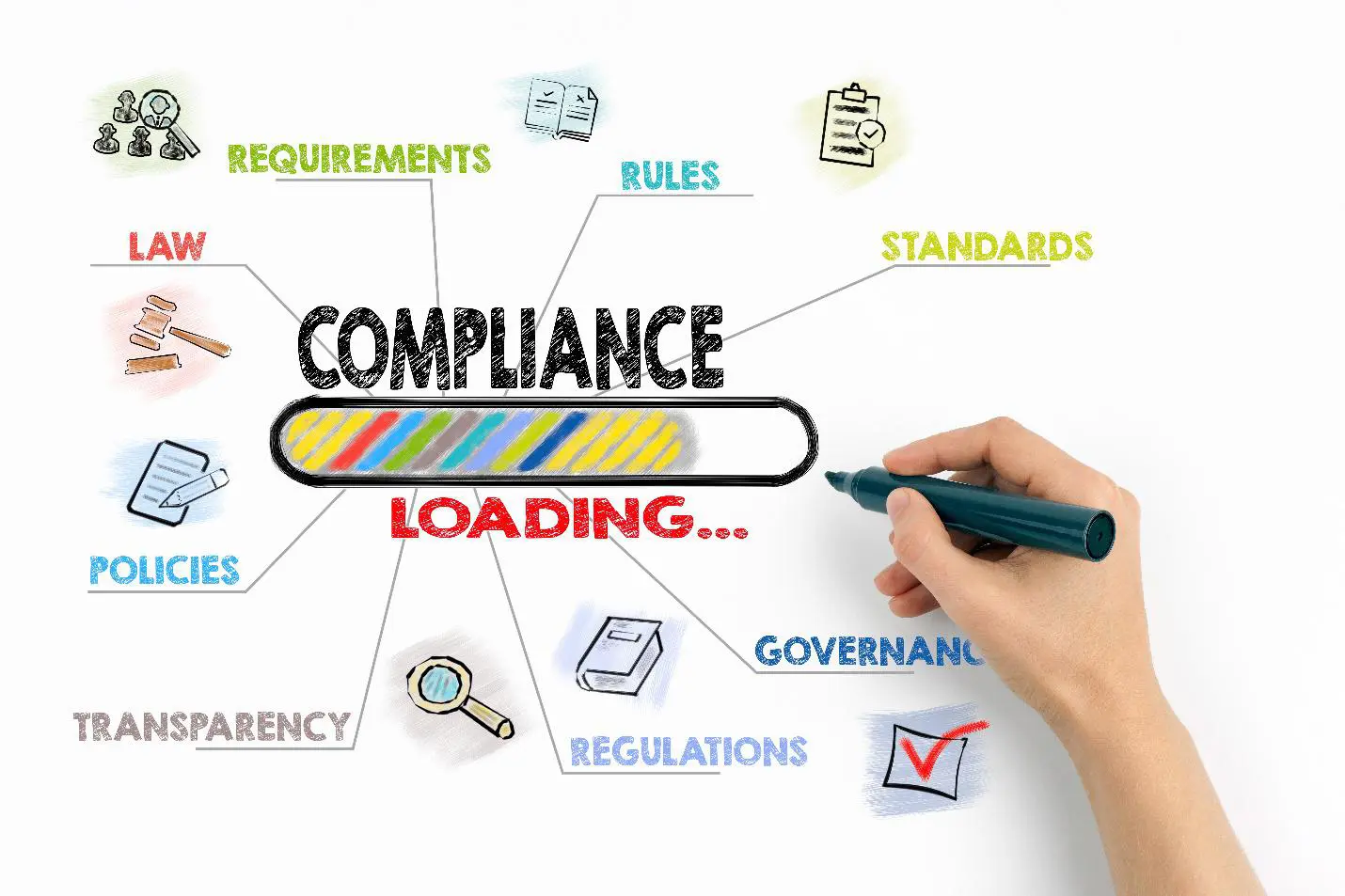
One of the primary challenges faced by businesses is the sheer volume and complexity of regulatory frameworks. Keeping pace with the myriad of regulations at the local, national, and international levels demands substantial resources, expertise, and time. This complexity often leads to confusion, making it difficult for businesses, especially smaller ones, to interpret and implement the necessary measures for compliance effectively.
With the rapid evolution of technology and its integration into business processes has further complicated regulatory compliance. Adapting to new technological advancements while ensuring compliance with data protection laws and cybersecurity regulations poses challenges. The inherent risks associated with data breaches, privacy concerns, and maintaining the confidentiality of sensitive information heighten the urgency for businesses to fortify their compliance measures.
Industry-specific regulations pose unique challenges for businesses operating in diverse sectors. Adhering to specific rules and standards while ensuring operational efficiency becomes a balancing act. Striking this balance often involves significant investments in resources, workforce training, and specialized compliance tools, impacting the overall competitiveness and profitability of businesses.
Amid these challenges, there are strategies and solutions available for businesses to navigate the complex regulatory landscape effectively. First and foremost, adopting a proactive approach to compliance is crucial. Businesses need to continuously monitor regulatory changes, stay abreast of industry trends, and anticipate upcoming compliance requirements. This proactive stance allows businesses to prepare in advance, minimizing the risk of non-compliance penalties and operational disruptions.
Investing in robust compliance management systems and technologies streamlines and automates compliance processes. These systems assist in monitoring, assessing, and ensuring adherence to regulatory requirements, reducing human error and improving accuracy in compliance efforts. Leveraging technology not only enhances efficiency but also strengthens the overall compliance posture of businesses.
Additionally, fostering a culture of compliance within the organization is paramount. Employee training, awareness programs, and establishing clear protocols and guidelines empower employees to understand and implement compliance measures effectively. Encouraging ethical practices and accountability across all levels of the organization reinforces a culture of compliance, reducing the risk of inadvertent violations.
Also, collaborating with legal experts and compliance professionals provides businesses with valuable insights and guidance in navigating complex regulations. Seeking external expertise helps in interpreting intricate regulatory requirements, implementing best practices, and ensuring that businesses remain aligned with changing compliance standards.
Remember, Regulatory Compliance and Governance pose formidable challenges for businesses, yet proactive strategies and solutions exist to effectively manage these complexities. By embracing a proactive approach, investing in technology, fostering a compliance culture, and leveraging external expertise, businesses can navigate the intricate regulatory landscape more effectively. Compliance, when integrated seamlessly into the fabric of the organization, not only ensures adherence to regulations but also contributes to improved operational efficiency, enhanced trust, and sustained growth in today's dynamic business environment.