
Aligning Purpose and Performance: The Role of Leadership in Inspiring Growth
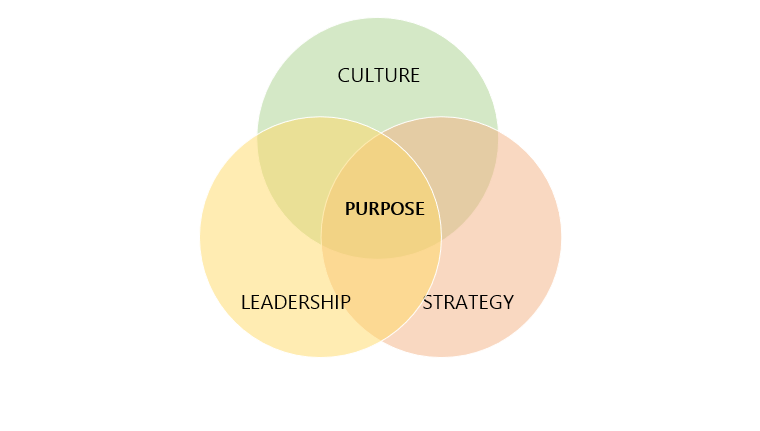
In the dynamic landscape of modern business, achieving sustainable growth and success hinges not just on profit margins and market dominance but on aligning the company's purpose with its performance. Businesses that successfully merge these aspects create a compelling narrative that resonates with stakeholders, customers, and employees alike. This fusion of purpose and performance isn't merely an operational task; it's a testament to effective leadership.
The Significance of Purpose-Driven Leadership
Leadership is the catalyst that drives organizational alignment between purpose and performance. It's the guiding force steering the company toward a common vision while ensuring that day-to-day activities and strategies reinforce that overarching goal. Purpose-driven leadership isn't about a single-minded pursuit of profit; it's about a broader commitment to making a meaningful impact beyond financial success.
Why Purpose Matters:
- Employee Engagement: A purpose-driven organization attracts and retains talent more effectively. Employees connect deeply with a company's purpose, feeling motivated and engaged, leading to increased productivity.
- Customer Loyalty: Purpose-driven businesses resonate with consumers seeking brands that align with their values. This emotional connection fosters loyalty and drives customer retention.
- Sustainability: A clear purpose often translates into sustainable practices. Companies committed to a purpose often prioritize sustainable and ethical operations, appealing to socially conscious consumers.
The Nexus Between Purpose and Performance
Aligning purpose and performance requires strategic integration at every level of the organization:
- Visionary Leadership:
- Setting the Tone: Effective leaders articulate and embody the company's purpose, fostering a culture that reflects these values.
- Strategic Planning: They align business strategies with the overarching purpose, guiding decision-making processes that support long-term goals.
- Engaged Workforce:
- Communication: Leadership ensures that the purpose is communicated clearly, enabling employees to understand how their roles contribute to the bigger picture.
- Empowerment: Employees are empowered to innovate and make decisions aligned with the company's purpose, fostering a sense of ownership.
- Customer-Centric Approach:
- Creating Value: Businesses align performance metrics with delivering value to customers aligned with the company's purpose.
- Feedback Loop: Leadership utilizes customer feedback to refine strategies and ensure alignment with customer expectations.
Leadership Strategies for Aligning Purpose and Performance
- Lead by Example: Leadership that embodies the company's purpose through actions, decision-making, and communication sets the standard for others to follow suit.
- Foster Collaboration: Encouraging cross-functional collaboration enables a holistic approach to aligning purpose and performance, breaking down silos and fostering innovation.
- Continuous Assessment and Adaptation: Regularly reassessing strategies, measuring performance against purpose-driven metrics, and adapting as needed ensures alignment remains dynamic and relevant.
- Cultivate Emotional Intelligence: Leaders with high emotional intelligence can connect with employees on a deeper level, fostering trust and alignment with the company's purpose.
The Impact of Purpose-Driven Leadership on Growth
Purpose-driven leadership isn't just about creating a feel-good factor; it's a strategic imperative that directly influences a company's growth trajectory.
- Market Differentiation: Purpose-driven companies stand out in crowded markets, attracting customers seeking brands that resonate with their values.
- Employee Retention and Engagement: A purpose-driven culture leads to higher employee satisfaction, lower turnover rates, and increased productivity.
- Innovation and Adaptability: Aligning purpose with performance encourages innovative thinking and agility, enabling companies to adapt to changing market dynamics.
- Enhanced Reputation and Trust: Consistently demonstrating a commitment to purpose fosters trust among stakeholders, enhancing the company's reputation.